Envato has been a name people in the creative resources space have known for over a decade. Millions of designers, video editors and marketers built their workflow around the platform. Then faster, fresher competitors showed up, and the brand fell behind, both the product and the people using it. It looked like the platform it used to be, not the one it had actually become.
Envato Brand Redesign
Logo
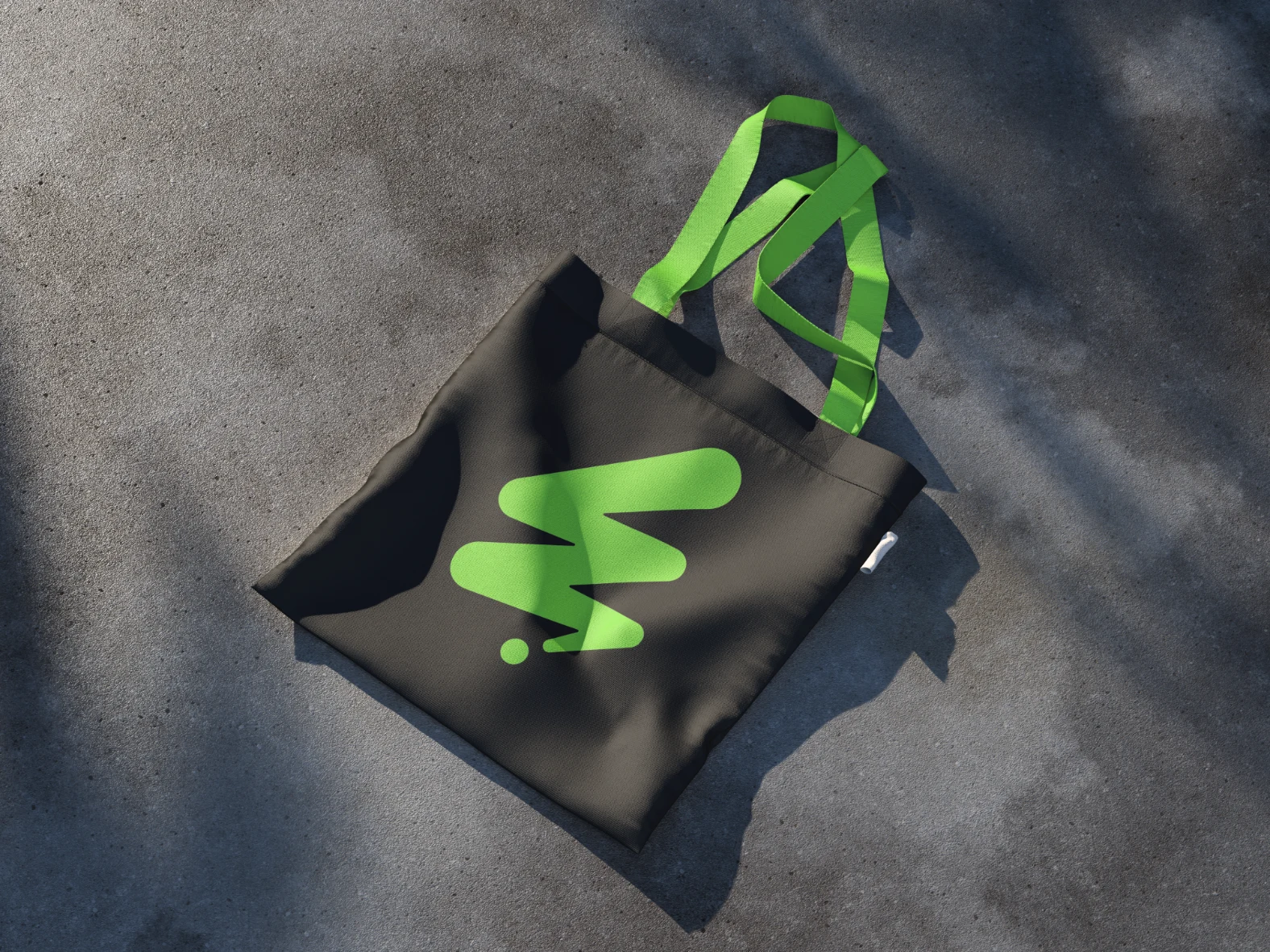
While the direction was still taking shape, I explored it visually alongside the team: risograph textures, loose brushwork, print media running into something clearly digital. The final logo, developed by Milos Mitrovic from that shared direction, distilled it into one gesture, a brushstroke shaped like an “E” with a dot at the end. We called it the Creative Spark.
Look and feel (Project Drip)
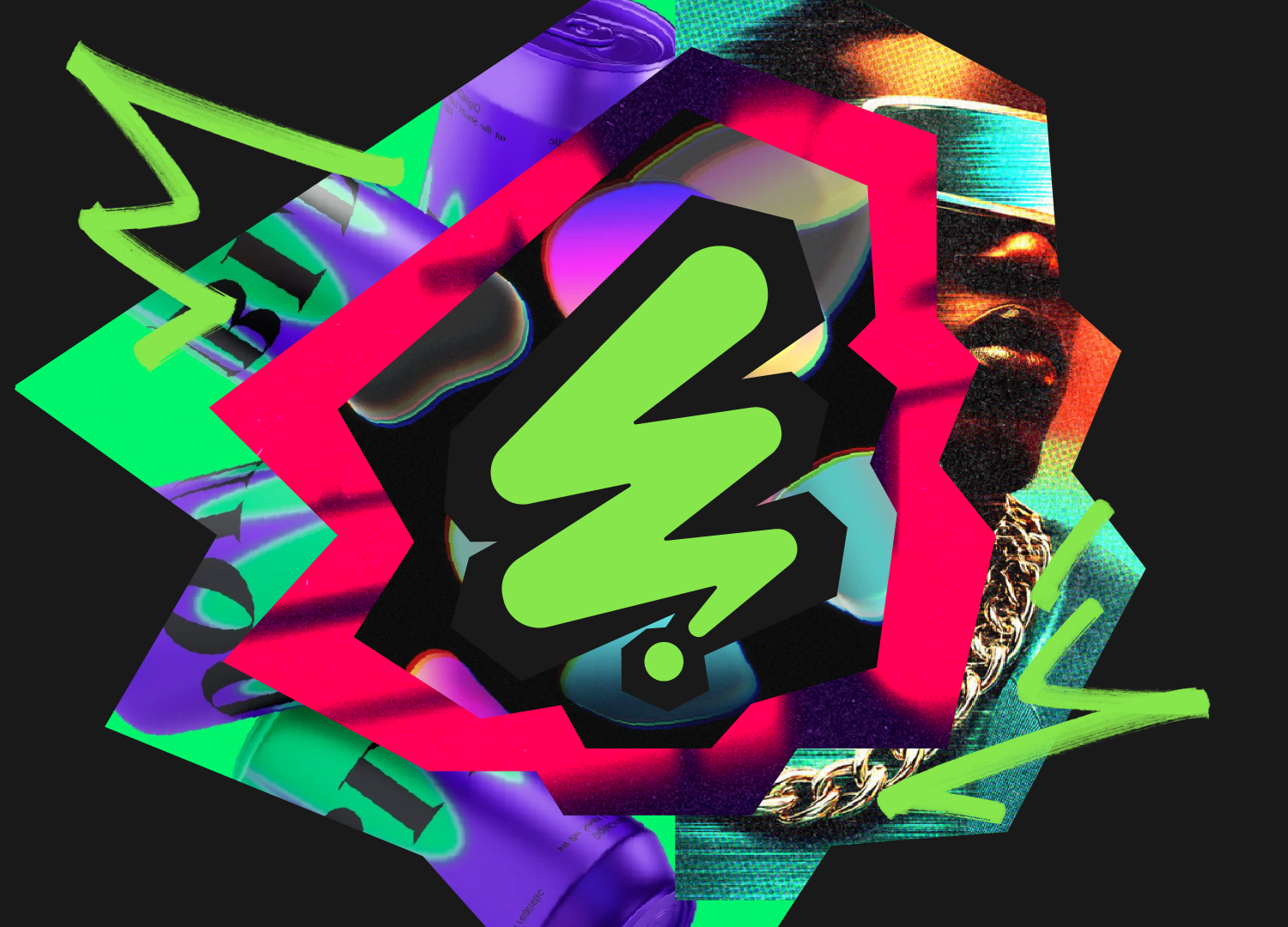
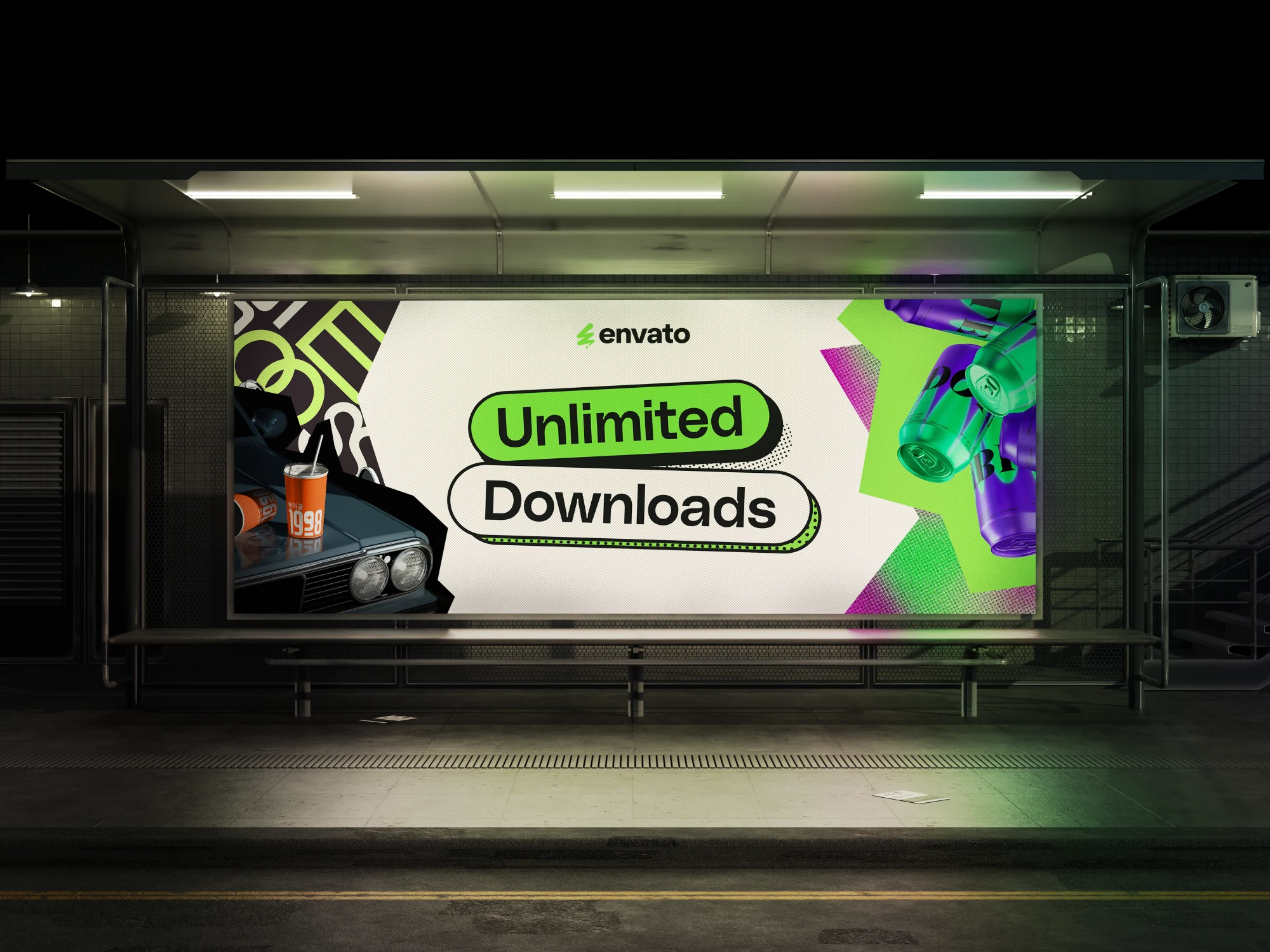
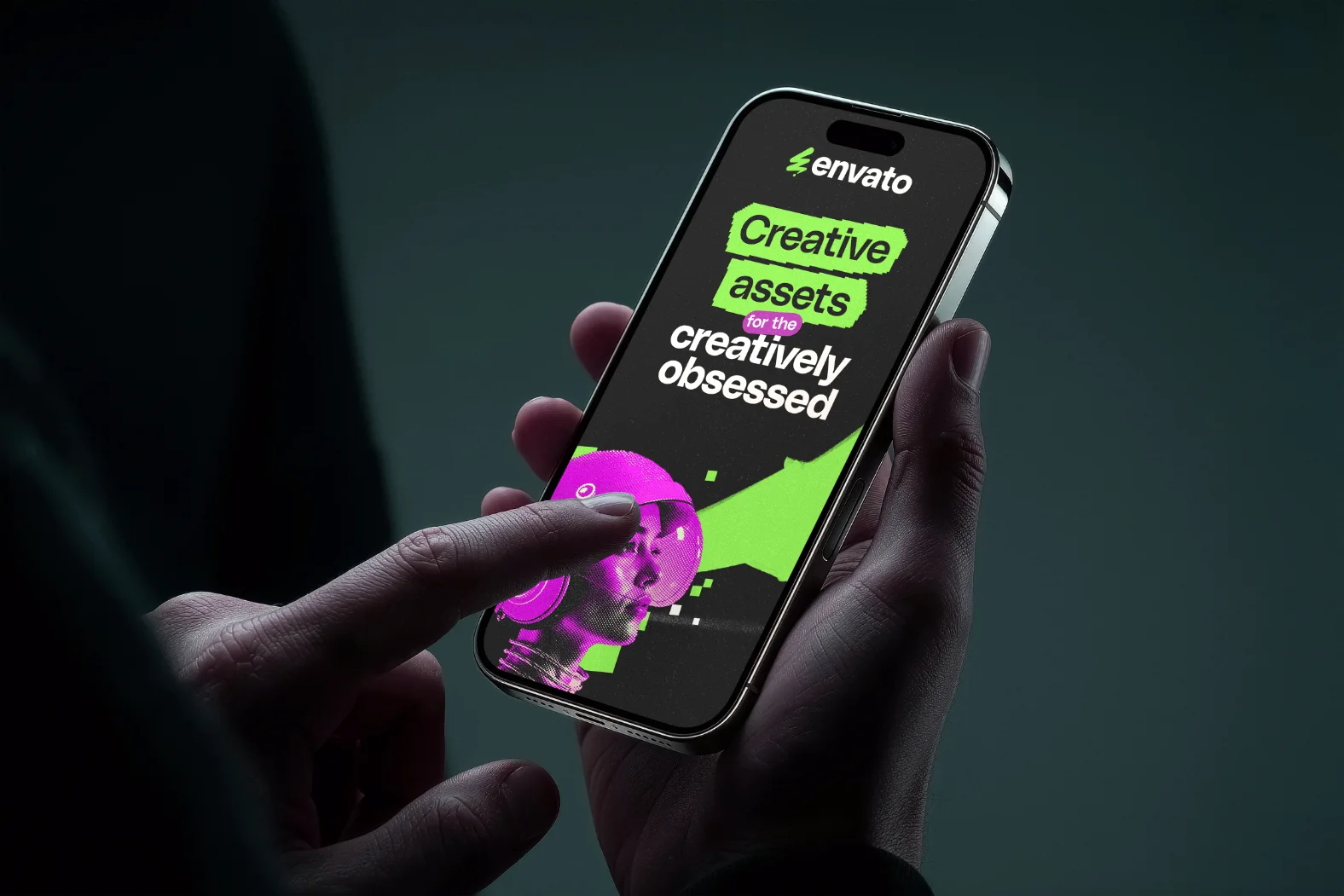
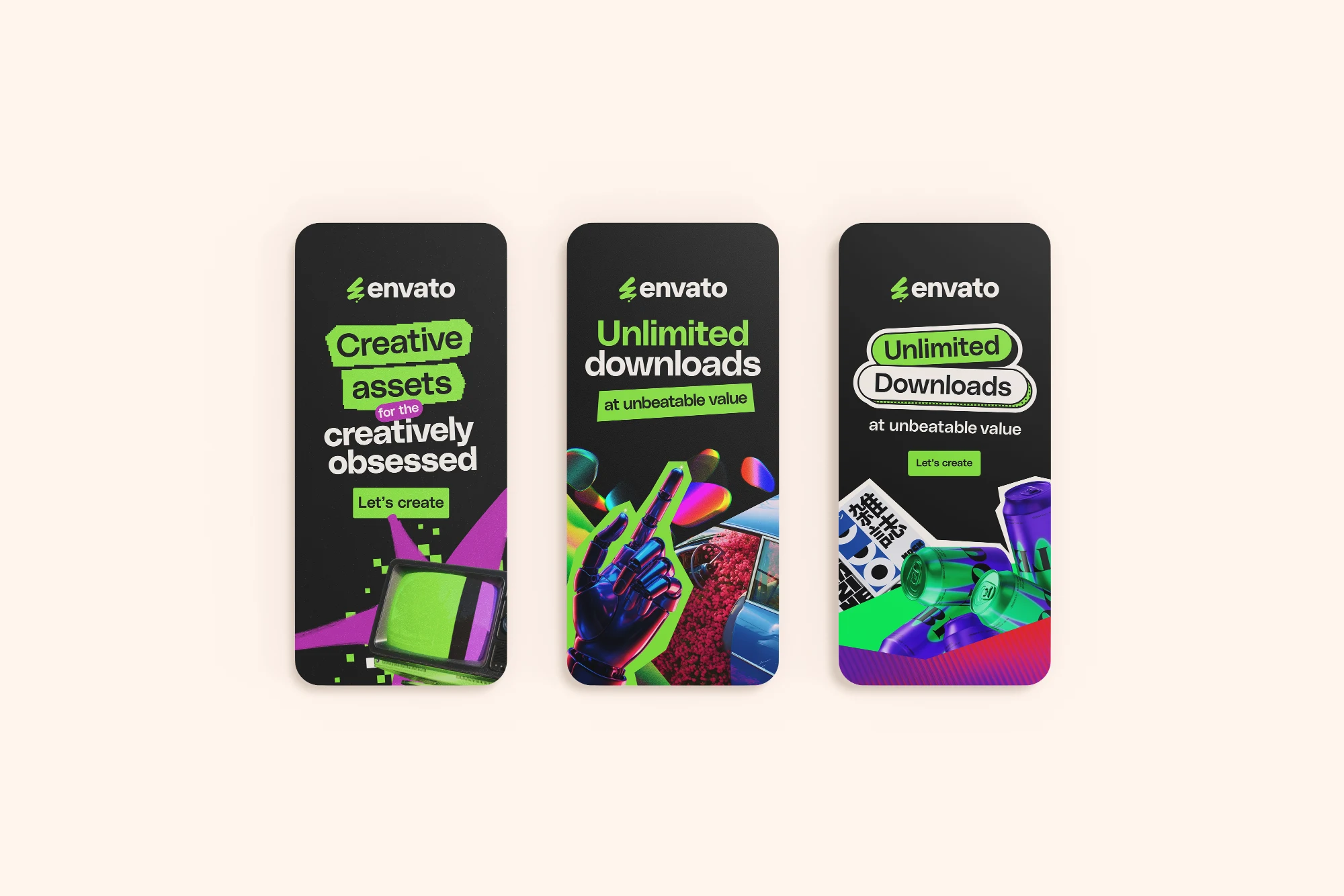
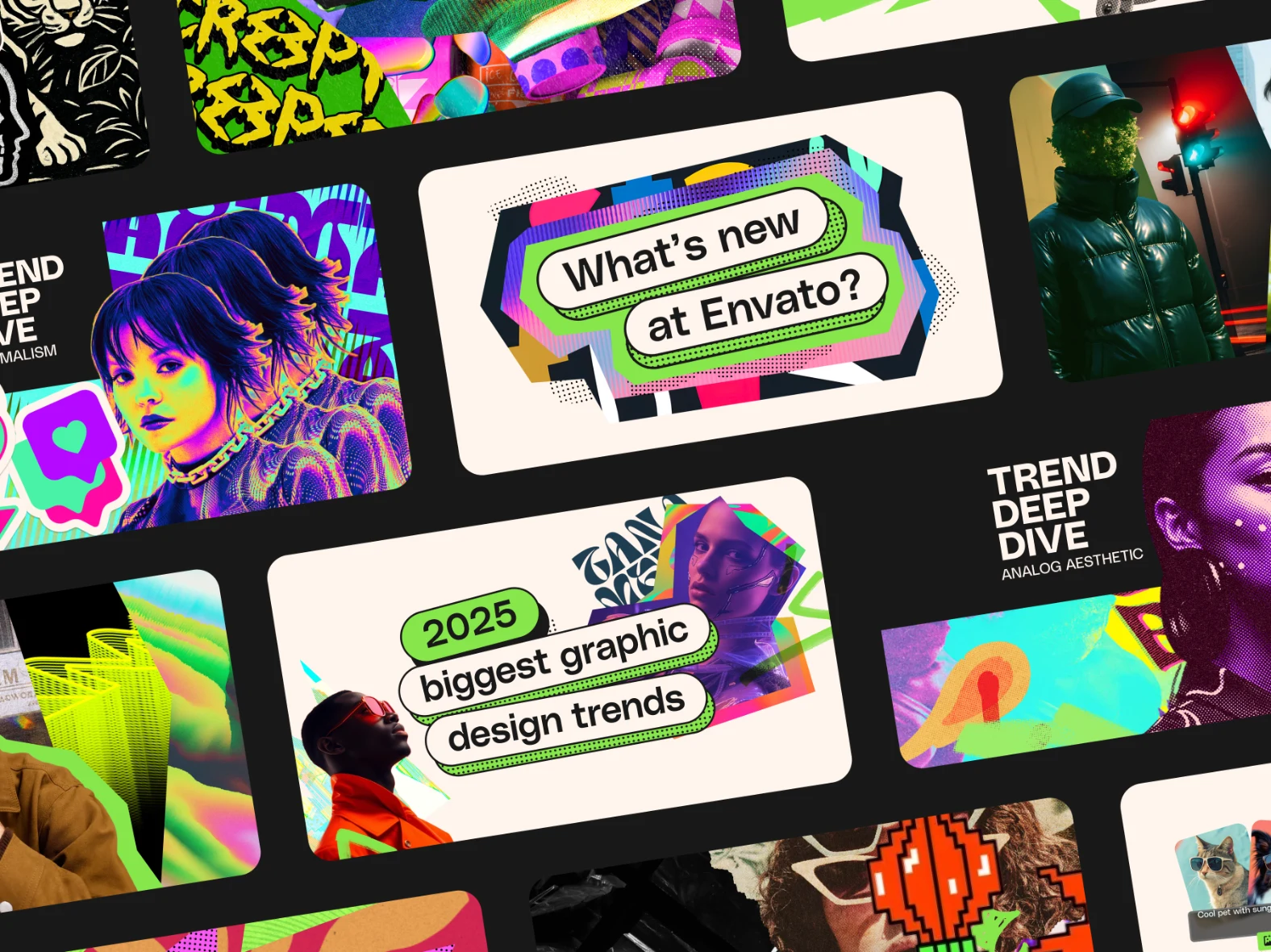
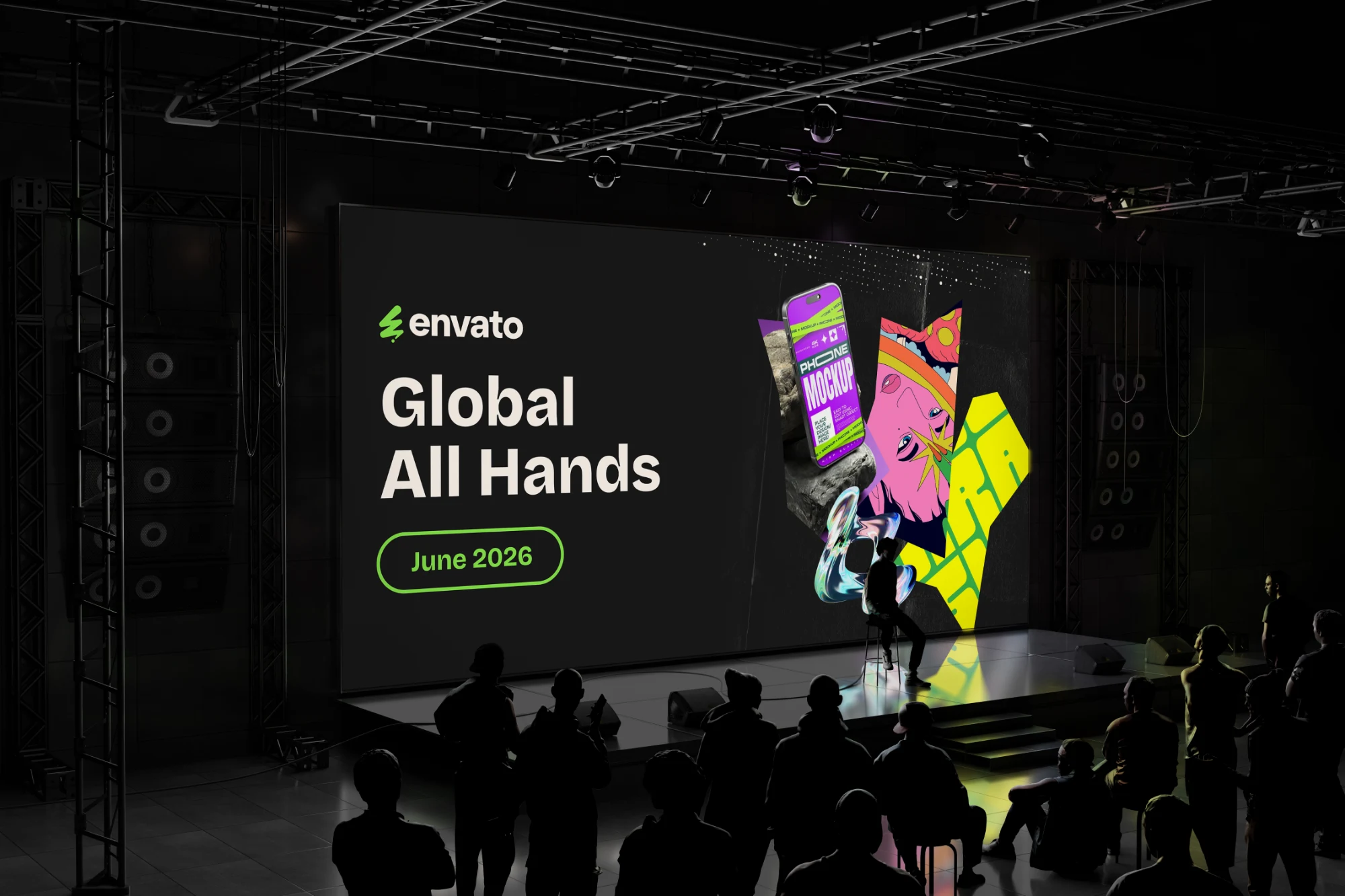
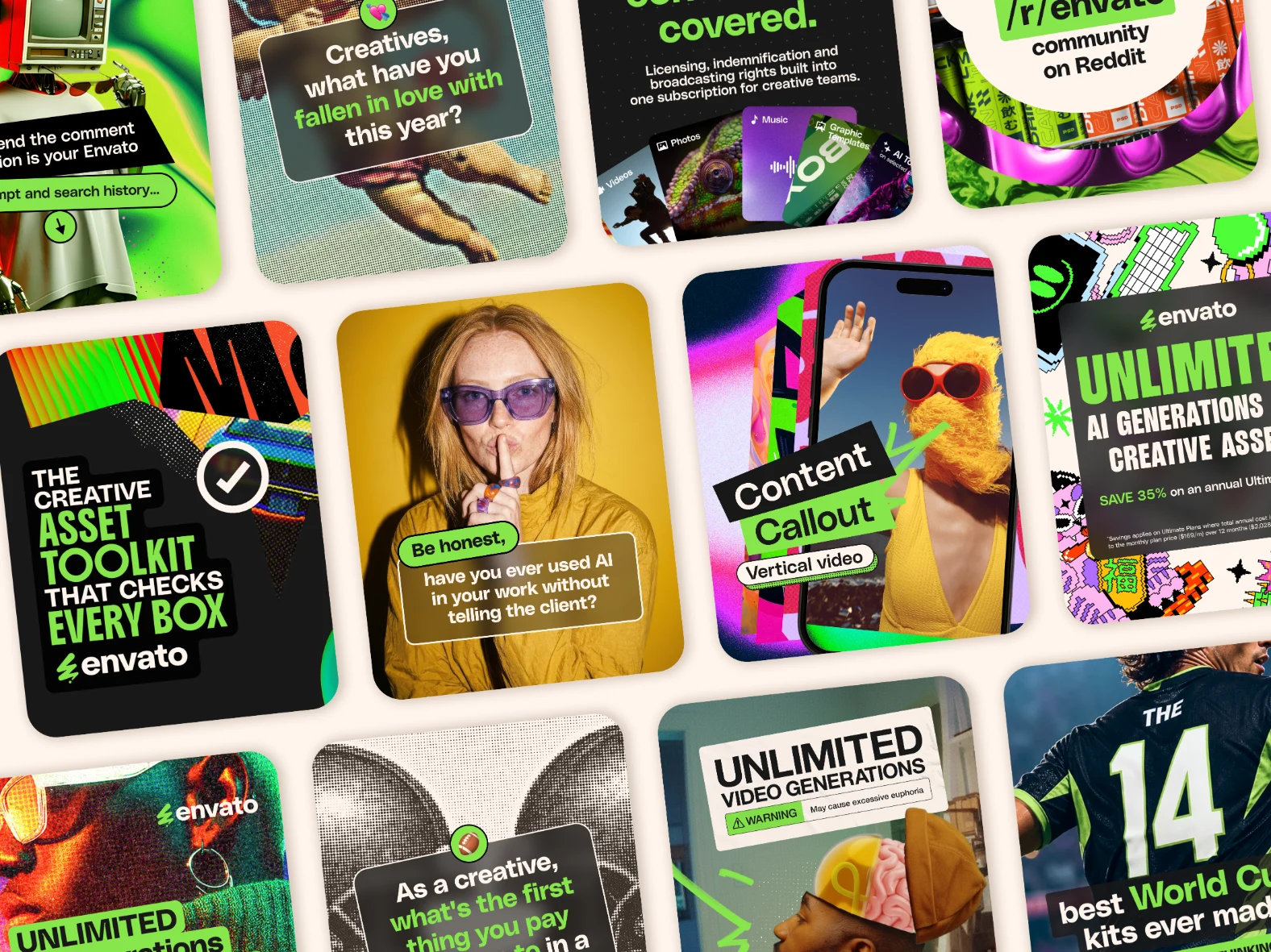
This is where I had the most direct hand in shaping the brand. I'd been developing a direction in parallel for months before there was an official brief: cut-out textures, halftones, pills and irregular shapes framing content, collage showing off the range of Envato's catalog. When the brief came, the team picked that proposal to build out, and it became the reference for how Envato looks today across ads, social and the site.
Production
From there I moved into ongoing production with the marketing team, working closely with stakeholders across social media, blog, paid ads and author communication. Paid ads meant the highest volume, with distinct assets for each campaign, audience, message and format.
Design system
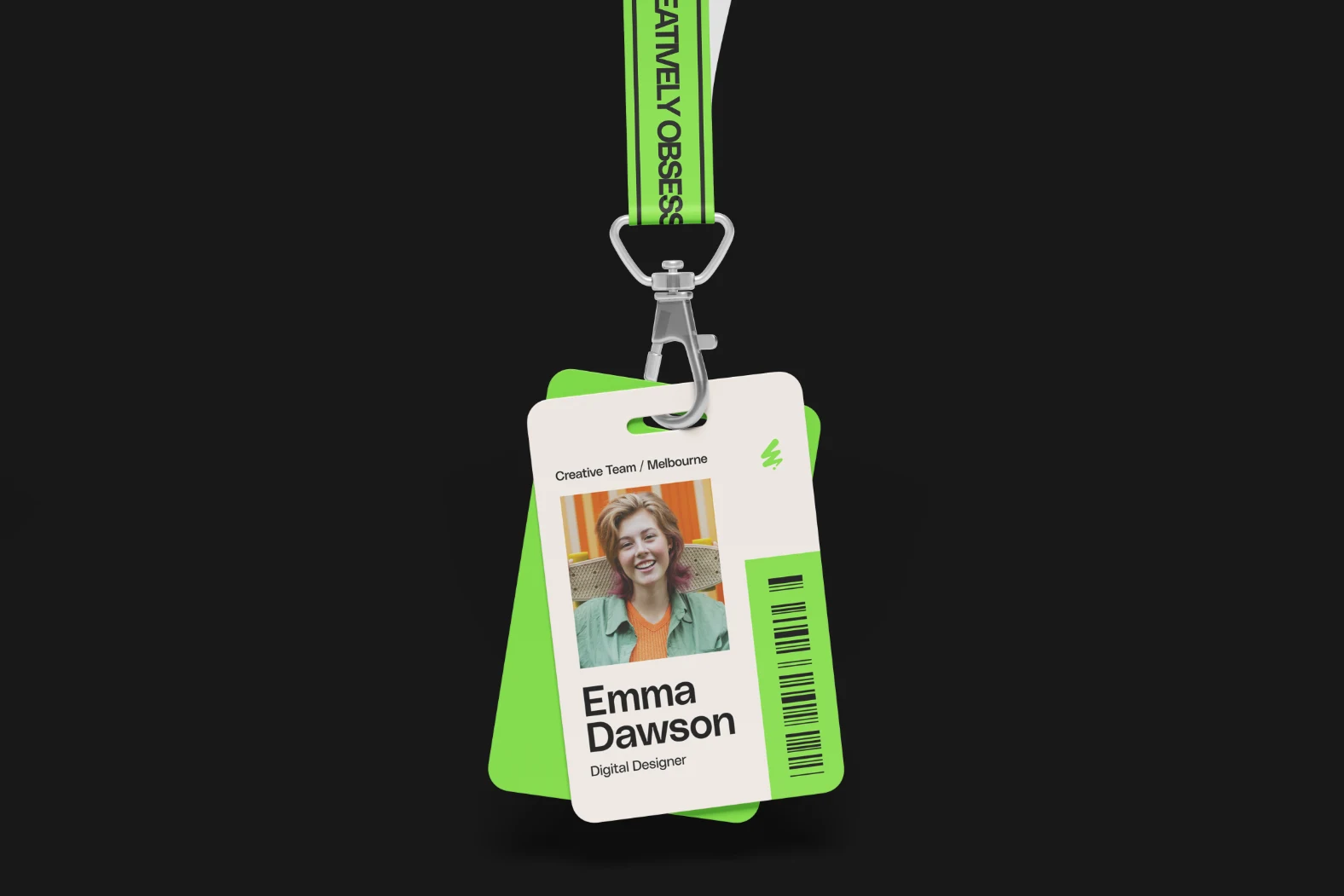
Keeping everything consistent at scale meant building an actual system, which became one of my main responsibilities. One version served the production team: templates for every platform, safe zones, thumbnail kits, mockups, briefs and checklists. A simpler version, built in Canva, let stakeholders with no design background handle their own social, email and blog content.
Result
Envato looked like one brand across every team and channel for the first time, with fewer revisions and faster turnaround. Design blogs picked it up at launch. For me, the bigger shift was internal: once the system did the fixing, I could spend my own time actually making better work.